Exploring the Intersection of Vegan Food and DIY Fashion: Upcycle Your Wardrobe with Sustainable Style
Category : | Sub Category : Posted on 2023-10-30 21:24:53
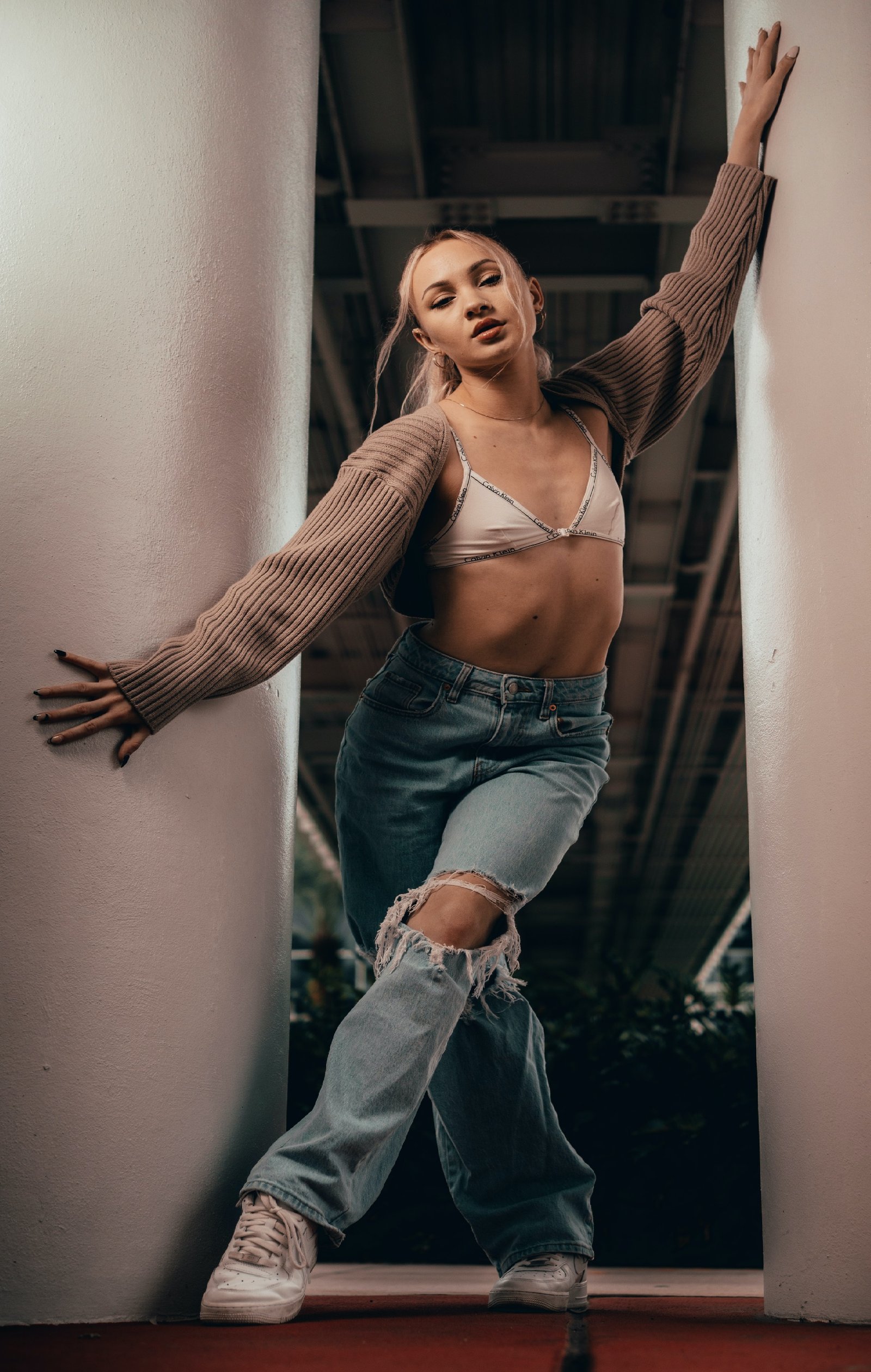
Introduction: Living a vegan lifestyle goes beyond what we put on our plates; it extends to every aspect of our lives, including the clothes we wear. In recent years, DIY fashion and upcycling have gained popularity as a way to reduce waste and show off our personal style. In this blog post, we will discuss the intersection of vegan food and DIY fashion, exploring how you can upcycle your wardrobe with sustainable style. 1. The Connection Between Veganism and Upcycling: Both veganism and upcycling share a common goal - minimizing our impact on the planet and reducing waste. Vegan food aims to avoid the use of animal products, while upcycling focuses on repurposing and giving new life to old clothing items. By embracing both, you can create a more sustainable and ethical lifestyle. 2. Vegan-Friendly DIY Fashion Projects: a. Plant-Based Dyeing: Instead of using toxic synthetic dyes, embrace natural plant-based dyes to add color to your old garments. Experiment with avocado pits, onion skins, or turmeric, and give your clothes a unique and eco-friendly twist. b. Bead Embellishments: Upcycle broken necklaces, bracelets, or earrings to create beautiful statement pieces on your clothes. Sew or glue these beads onto pockets, collars, or even the sides of your jeans to add a touch of vegan elegance. c. Patchwork Fun: Use old fabric scraps to create patchwork designs on jeans, jackets, or bags. Mix and match patterns and colors to create a truly one-of-a-kind piece. d. Accessory Revamp: Transform outdated or unused accessories into stylish vegan-friendly pieces. Add fabric ribbons to old belts for a fresh look or glue fabric remnants onto plain shoes to create unique patterns. 3. Sustainable Fabrics for DIY Fashion Projects: When embarking on DIY fashion projects, it's important to choose fabrics that align with your vegan values. Consider using sustainable materials such as: a. Organic Cotton: Look for organic cotton fabrics that are free from harmful pesticides and chemicals. b. Linen: This natural, biodegradable fabric is made from flax plants and has a low environmental impact. c. Hemp: Known for its durability and eco-friendly properties, hemp is an excellent choice for DIY clothing projects. d. Piatex: This innovative material is made from pineapple leaf fibers and is a cruelty-free alternative to leather. 4. Embracing Minimalism and Second-Hand Shopping: To truly embrace sustainable style, aim for a minimalist wardrobe and practice second-hand shopping. Donate or sell the clothes you no longer wear and purchase pre-loved items instead. This not only reduces waste but also supports the circular economy. Conclusion: By combining the ethical principles of veganism with the creativity of DIY fashion and upcycling, you can create a wardrobe that is not only environmentally friendly but also uniquely yours. Remember, sustainable fashion is not just about what you wear but also the choices you make as a consumer. Let your passion for both vegan food and DIY fashion lead the way towards a more mindful and sustainable future. Happy upcycling! for more http://www.deleci.com Seeking expert advice? Find it in http://www.alienvegan.com For a detailed analysis, explore: http://www.eatnaturals.com Seeking in-depth analysis? The following is a must-read. http://www.mimidate.com
Leave a Comment:
SEARCH
Recent News
- Trend Alert: 5 Stylish Ways to Wear Wool Stoles for Women
- Winter Stoles: The Must-Have Accessory for Women's Winter Wardrobe
- Women's Clothing Trends Imported and Exported in Vancouver
- Vancouver is known for its thriving fashion scene, and one sector that shines bright in the city is women's clothing businesses. From trendy boutiques to upscale designer labels, Vancouver offers a wide range of options for fashion-forward women looking to update their wardrobe.
- Are you looking to overhaul your wardrobe with stylish and trendy women's clothing in Vancouver? Look no further! Vancouver is home to some amazing companies that specialize in women's fashion, offering a wide range of options for every style and budget. Whether you're in need of fashionable work attire, casual weekend wear, or a show-stopping outfit for a special event, these Vancouver-based companies have got you covered. Let's take a look at some of the best women's clothing companies in Vancouver that are guaranteed to elevate your style game:
- Women in the UK who are involved in the fashion industry often require support and guidance to navigate the complexities of running a successful business. Thankfully, the UK government offers various business support programs designed to assist women in the clothing sector and help them thrive in the competitive market.
- When it comes to exporting and importing women's clothes in the UK, there are several rules and regulations that businesses need to be aware of to ensure a smooth and successful process. These rules help to maintain quality standards, protect consumers, and facilitate fair trade practices. Understanding these guidelines is crucial for companies involved in the import and export of women's clothing in the UK.
- Fashion Highlights: Women's Clothing Trends from Tunisia
READ MORE
6 months ago Category :

Trend Alert: 5 Stylish Ways to Wear Wool Stoles for Women
Read More →6 months ago Category :

Winter Stoles: The Must-Have Accessory for Women's Winter Wardrobe
Read More →6 months ago Category :

Women's Clothing Trends Imported and Exported in Vancouver
Read More →6 months ago Category :
