Unveiling the Truth Behind Ethnic and Cultural Fashion Scams
Category : | Sub Category : Posted on 2023-10-30 21:24:53
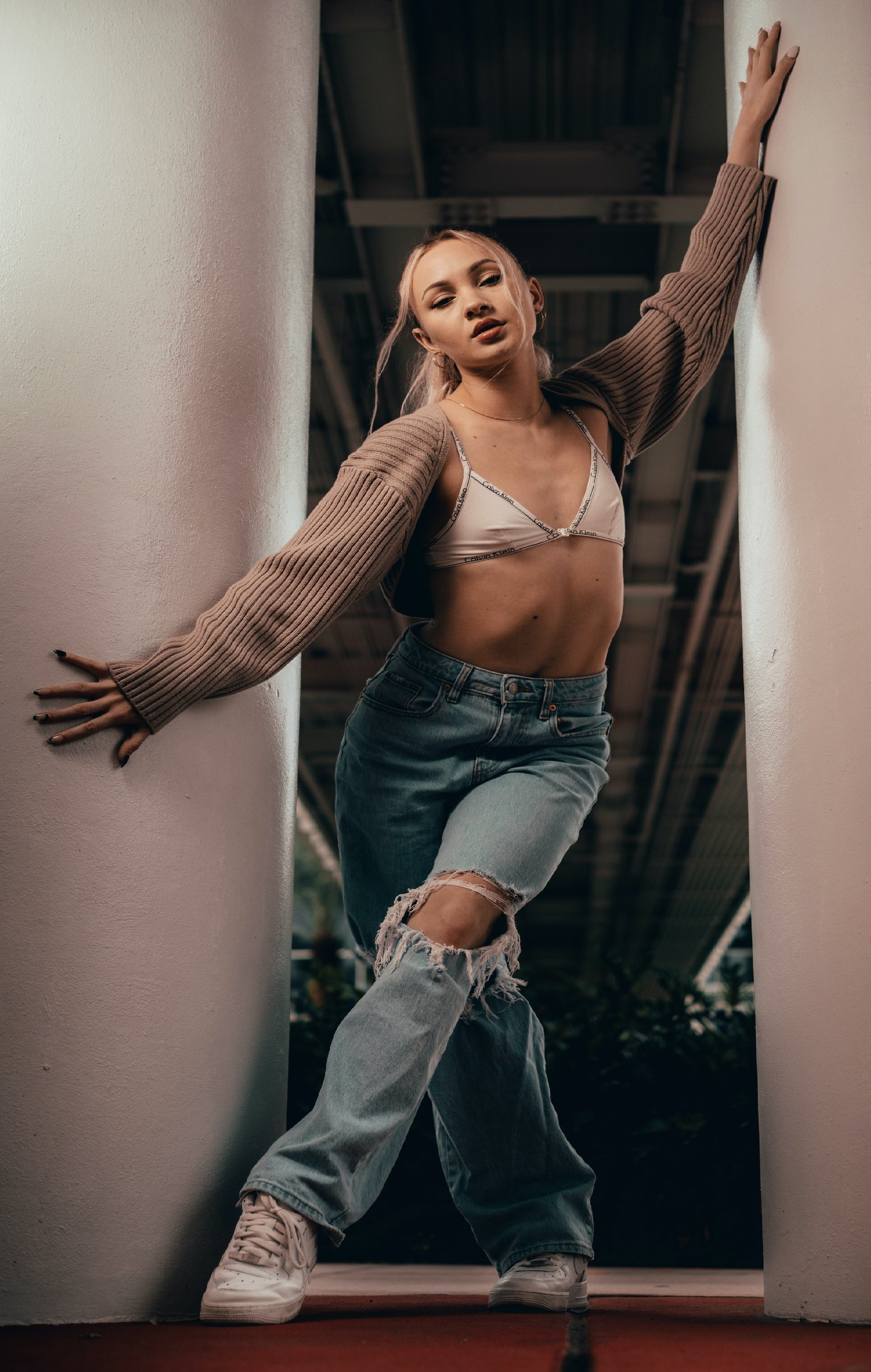
Introduction: Ethnic and cultural fashion has gained immense popularity in recent years, with people embracing the unique styles, vibrant colors, and rich traditions associated with these diverse clothing styles. However, amidst this growing trend, it is crucial to recognize the presence of unscrupulous individuals looking to exploit consumers' enthusiasm for scamming purposes. In this blog post, we will delve deeper into the world of scam ethnic and cultural fashion, uncovering the red flags to watch out for and offering tips on how to ensure an authentic purchase. 1. Understanding the Appeal of Ethnic and Cultural Fashion: Ethnic and cultural fashion holds a special allure due to its ability to reflect a sense of identity, tell stories, and celebrate diverse heritages. The demand for these unique clothing pieces has given rise to a market that unfortunately attracts scammers seeking to exploit the growing interest. 2. Recognizing the Red Flags: a) Unrealistic Prices: If offered prices seem suspiciously low compared to similar products, it is important to proceed with caution. Authentic ethnic and cultural fashion requires skilled artisans, quality materials, and intricate details, all of which incur additional costs. b) Lack of Transparency: Scammers often evade questions about the product's origins, materials used, or the artisans behind it. Transparency is key when it comes to ensuring an authentic purchase. c) Poor Quality Images: Low-resolution or stolen images from reputable sources may indicate a scam. Authentic sellers take pride in showcasing high-quality images that accurately present their products. 3. Researching the Seller: a) Read Reviews: Before making a purchase, invest time in researching the seller. Read reviews from previous customers to gauge their reputation and determine if others have reported any fraudulent activities. b) Check for Certifications: Genuine ethnic and cultural fashion sellers often possess relevant certifications or affiliations that authenticate their products. c) Engage in Communication: Reach out to the seller with any questions or concerns. A trustworthy seller will respond promptly and transparently, addressing all your queries. 4. Inspecting the Product: a) Material Quality: Authentic ethnic and cultural fashion items are often crafted from high-quality materials, ensuring durability and superior craftsmanship. Request detailed information about the materials used and ask for close-up images if necessary. b) Attention to Detail: Ethnic and cultural fashion is known for its intricate design elements. Examine the product images closely for well-executed details, precise stitching, and the overall quality of craftsmanship. c) Sizing Guidelines: Reliable sellers provide accurate sizing information to help customers make informed decisions. Be wary of sellers who cannot provide clear guidance on sizing or offer generic sizing charts. Conclusion: As the fascination with ethnic and cultural fashion continues, it is essential to remain vigilant against scam artists looking to exploit this passion for their gain. By recognizing the red flags, conducting thorough research on sellers, and carefully inspecting the product, you can ensure an authentic purchase and support the rich traditions behind ethnic and cultural fashion. Remember, genuine sellers prioritize transparency, authenticity, and customer satisfaction, allowing you to embrace the beauty and heritage of different cultures while avoiding scams. Check this out http://www.semifake.com
Leave a Comment:
SEARCH
Recent News
- Trend Alert: 5 Stylish Ways to Wear Wool Stoles for Women
- Winter Stoles: The Must-Have Accessory for Women's Winter Wardrobe
- Women's Clothing Trends Imported and Exported in Vancouver
- Vancouver is known for its thriving fashion scene, and one sector that shines bright in the city is women's clothing businesses. From trendy boutiques to upscale designer labels, Vancouver offers a wide range of options for fashion-forward women looking to update their wardrobe.
- Are you looking to overhaul your wardrobe with stylish and trendy women's clothing in Vancouver? Look no further! Vancouver is home to some amazing companies that specialize in women's fashion, offering a wide range of options for every style and budget. Whether you're in need of fashionable work attire, casual weekend wear, or a show-stopping outfit for a special event, these Vancouver-based companies have got you covered. Let's take a look at some of the best women's clothing companies in Vancouver that are guaranteed to elevate your style game:
- Women in the UK who are involved in the fashion industry often require support and guidance to navigate the complexities of running a successful business. Thankfully, the UK government offers various business support programs designed to assist women in the clothing sector and help them thrive in the competitive market.
- When it comes to exporting and importing women's clothes in the UK, there are several rules and regulations that businesses need to be aware of to ensure a smooth and successful process. These rules help to maintain quality standards, protect consumers, and facilitate fair trade practices. Understanding these guidelines is crucial for companies involved in the import and export of women's clothing in the UK.
- Fashion Highlights: Women's Clothing Trends from Tunisia
READ MORE
10 months ago Category :

Trend Alert: 5 Stylish Ways to Wear Wool Stoles for Women
Read More →10 months ago Category :

Winter Stoles: The Must-Have Accessory for Women's Winter Wardrobe
Read More →10 months ago Category :

Women's Clothing Trends Imported and Exported in Vancouver
Read More →10 months ago Category :
