Fashion As a Means of Empowering Women: Redefining Political Empowerment
Category : | Sub Category : Posted on 2023-10-30 21:24:53
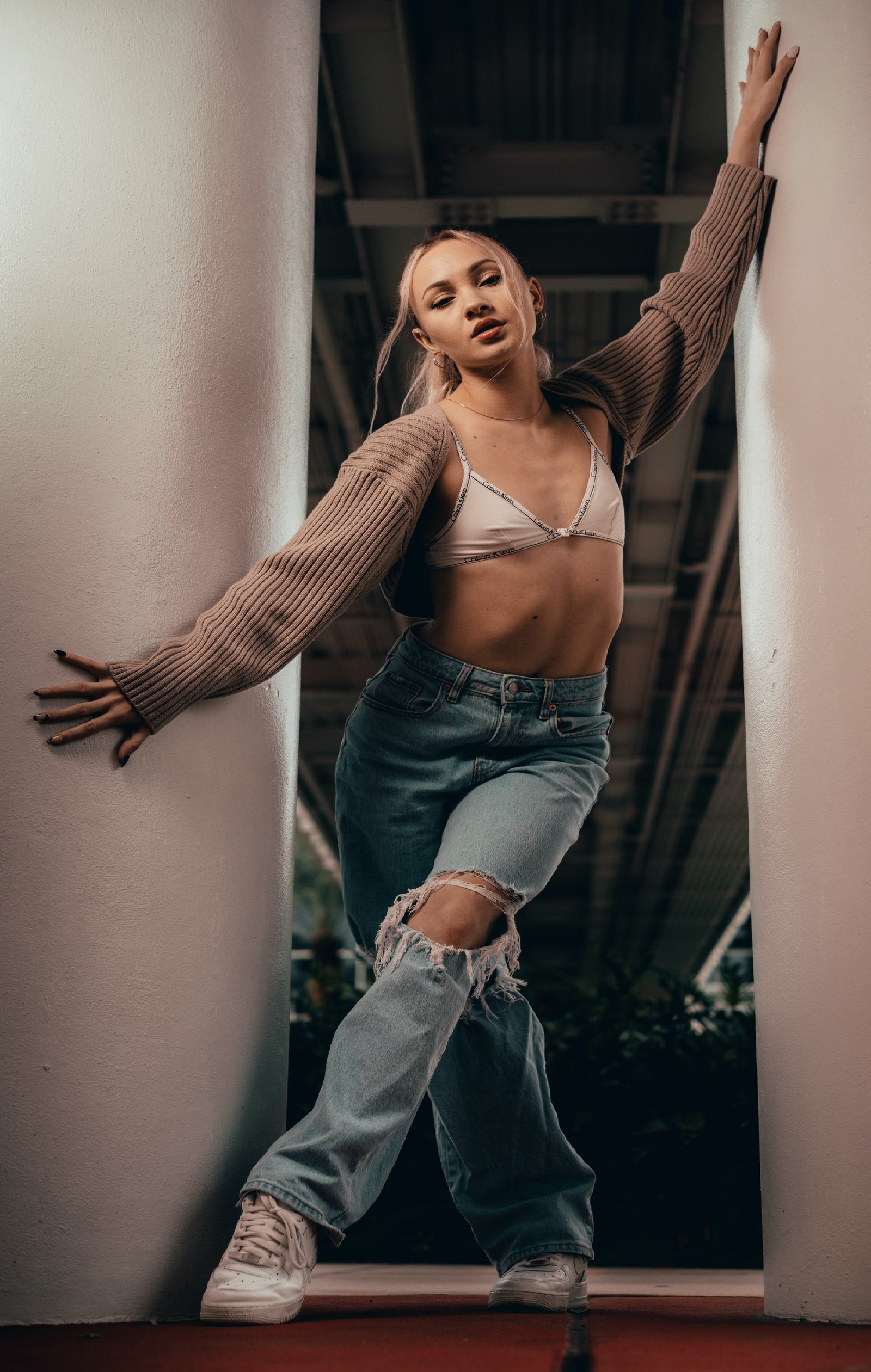
Introduction: Political empowerment has long been a topic of conversation when discussing gender equality. However, the traditional understanding of political empowerment tends to revolve around women's participation in governmental processes. While this is undoubtedly crucial, there are other aspects of empowerment that deserve attention, including fashion. Fashion and style have a significant impact on how women perceive themselves, project confidence, and challenge societal norms. In this blog post, we will explore the intersection of fashion, women, and political empowerment, and how the fashion industry can contribute to their empowerment. 1. The Power of Dressing: Clothing choices can affect how women are perceived in the public eye. By expressing themselves through fashion, women can reclaim their identities and challenge stereotypes. Fashion can serve as a tool for self-expression and confidence-building, helping women assert their presence in various spheres of society. Whether it's in the boardroom, speaking at public events, or even on social media platforms, the way women dress can communicate their strength, individuality, and determination to be seen and heard. 2. Breaking Gender Stereotypes: Fashion has the potential to challenge gender norms and stereotypes. The fashion industry can play a crucial role in redefining what it means to be a powerful woman through design choices, marketing campaigns, and representation. Designers and brands that prioritize inclusivity, diverse body types, and breaking traditional gender roles in their collections empower women to embrace their authenticity. By showcasing diverse women in powerful roles and promoting gender-fluid fashion, the industry can help reshape societal expectations and empower women to step outside conventional boundaries. 3. Empowering Women Entrepreneurs: Fashion is not just about what we wear but also about the entrepreneurs behind the scenes. The fashion industry offers countless opportunities for women to become influential business leaders, creatives, and trendsetters. By highlighting success stories of women who have built successful fashion brands, we can inspire and encourage other aspiring female entrepreneurs to pursue their dreams and make a mark in the industry. Sharing stories of women who have made significant contributions to the fashion world can demonstrate that success in this field is attainable and empower others to pursue their passions. 4. Sustainable Fashion for Empowerment: Fashion's impact on female political empowerment goes beyond simply what we wear; it extends to the ethical and environmental choices we make as consumers. Sustainable fashion practices promote fair wages, safe working conditions, and environmentally conscious production processes. Supporting ethical fashion brands that prioritize these values helps empower women in developing countries by creating better working conditions and opportunities for economic growth. By making conscious fashion choices, women can align their values with their style, contributing to a more just and sustainable future. Conclusion: Fashion is an incredibly influential sphere, and its potential to empower women should not be underestimated. Women's political empowerment extends beyond traditional realms, and fashion has the power to challenge norms, break stereotypes, and redefine what it means to be an empowered woman. By supporting inclusive and sustainable fashion practices, women can actively participate in promoting a more diverse and equitable society. The fashion industry should continue to celebrate and empower women, using its influential platform to drive positive change towards true gender equality. Discover new insights by reading http://www.mrwf.org
Leave a Comment:
SEARCH
Recent News
- Trend Alert: 5 Stylish Ways to Wear Wool Stoles for Women
- Winter Stoles: The Must-Have Accessory for Women's Winter Wardrobe
- Women's Clothing Trends Imported and Exported in Vancouver
- Vancouver is known for its thriving fashion scene, and one sector that shines bright in the city is women's clothing businesses. From trendy boutiques to upscale designer labels, Vancouver offers a wide range of options for fashion-forward women looking to update their wardrobe.
- Are you looking to overhaul your wardrobe with stylish and trendy women's clothing in Vancouver? Look no further! Vancouver is home to some amazing companies that specialize in women's fashion, offering a wide range of options for every style and budget. Whether you're in need of fashionable work attire, casual weekend wear, or a show-stopping outfit for a special event, these Vancouver-based companies have got you covered. Let's take a look at some of the best women's clothing companies in Vancouver that are guaranteed to elevate your style game:
- Women in the UK who are involved in the fashion industry often require support and guidance to navigate the complexities of running a successful business. Thankfully, the UK government offers various business support programs designed to assist women in the clothing sector and help them thrive in the competitive market.
- When it comes to exporting and importing women's clothes in the UK, there are several rules and regulations that businesses need to be aware of to ensure a smooth and successful process. These rules help to maintain quality standards, protect consumers, and facilitate fair trade practices. Understanding these guidelines is crucial for companies involved in the import and export of women's clothing in the UK.
- Fashion Highlights: Women's Clothing Trends from Tunisia
READ MORE
10 months ago Category :

Trend Alert: 5 Stylish Ways to Wear Wool Stoles for Women
Read More →10 months ago Category :

Winter Stoles: The Must-Have Accessory for Women's Winter Wardrobe
Read More →10 months ago Category :

Women's Clothing Trends Imported and Exported in Vancouver
Read More →10 months ago Category :
