Fashion Forward: The Impact of State-Funded Programs on the Fashion Industry
Category : | Sub Category : Posted on 2023-10-30 21:24:53
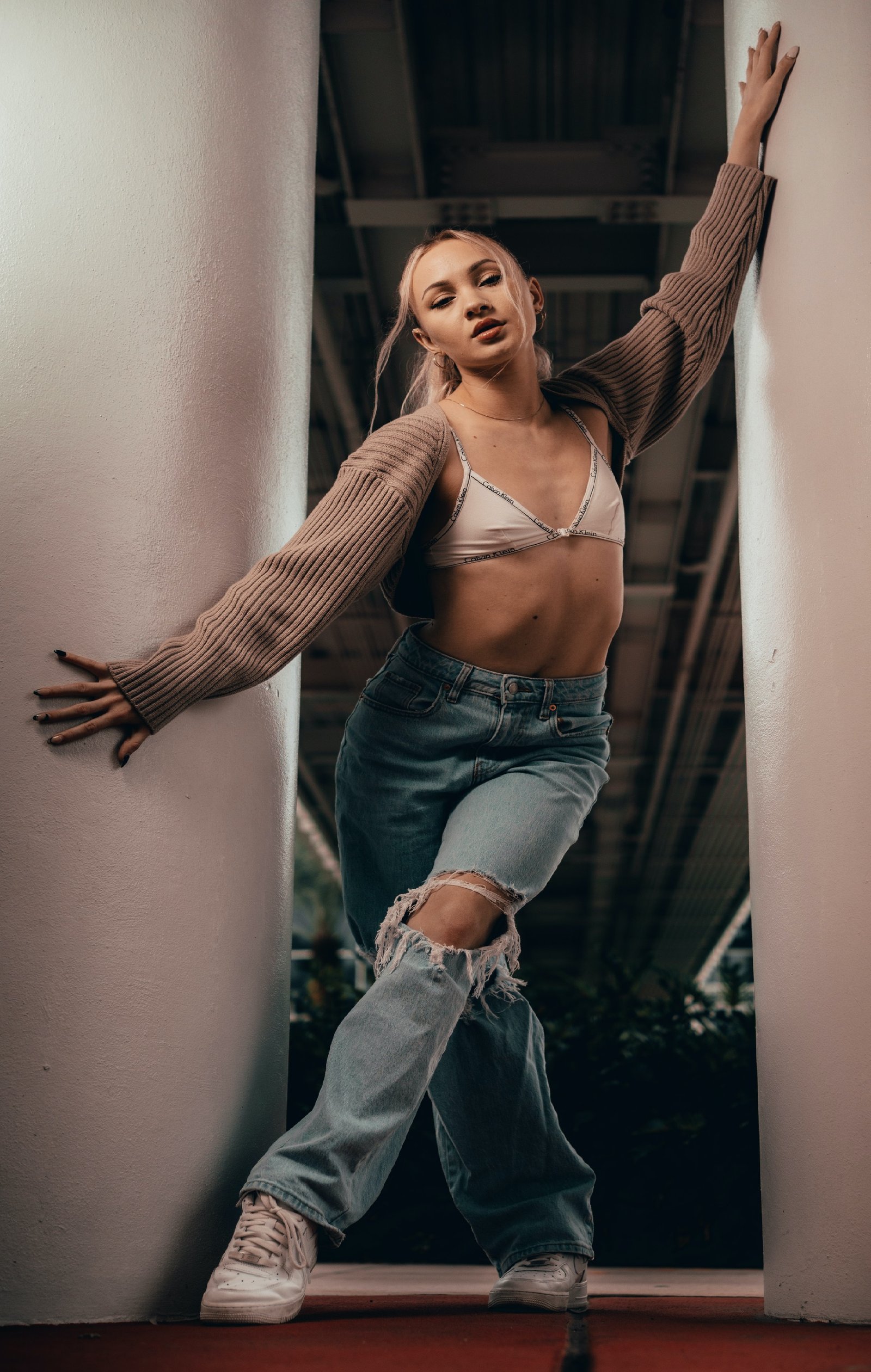
Introduction: Fashion is a creative and ever-evolving industry that plays a significant role in our culture and economy. It drives trends, inspires individuals, and contributes to job creation and economic growth. State-funded programs that support the fashion and mode industry have emerged as a crucial force in its development and success. In this blog post, we will explore the impact of state-funded programs on the fashion industry and how they have shaped the landscape of fashion_mode. 1. Funding for Emerging Designers: State-funded programs have opened doors for emerging designers by providing financial support, infrastructure, and mentoring opportunities. These programs often award grants or scholarships to talented designers looking to establish their brands, launch boutiques, or present their collections at fashion events. By investing in these promising talents, state-funded programs contribute to the growth and diversification of the fashion industry, fostering creativity and innovation. 2. Support for Sustainable Fashion: With the growing concern for sustainable practices in the fashion industry, state-funded programs have recognized the importance of supporting environmentally friendly fashion initiatives. By providing financial incentives and resources, these programs encourage designers and brands to adopt sustainable materials, manufacturing processes, and retail practices. By supporting sustainable fashion, state-funded programs play a crucial role in reducing the industry's carbon footprint and promoting ethical practices. 3. Fashion Education and Training: State-funded programs often collaborate with educational institutions to develop fashion-focused courses and training programs. This collaboration ensures that aspiring designers and fashion professionals have access to high-quality education and training opportunities. From fashion design and pattern-making to marketing and merchandising, these programs equip the workforce with the skills needed to thrive in the fast-paced fashion industry. 4. Destination Marketing and Fashion Tourism: State-funded programs recognize the potential of fashion tourism as a catalyst for economic growth. By organizing fashion weeks, exhibitions, and related events, these programs attract both domestic and international visitors, boosting local businesses and stimulating the economy. By promoting fashion_mode as a destination with a rich fashion heritage and vibrant industry, state-funded programs contribute to the growth of the fashion sector and associated businesses such as retail, hospitality, and tourism. 5. Collaboration and Networking Opportunities: State-funded programs often facilitate collaborations between fashion designers, manufacturers, retailers, and industry professionals. By organizing networking events, trade shows, and fashion forums, these programs create opportunities for designers to showcase their works, build relationships, and secure business partnerships. These collaborations not only benefit individual designers but also foster a sense of community within the fashion industry, resulting in a more cohesive and supportive ecosystem. Conclusion: State-funded programs have become instrumental in supporting and nurturing the fashion industry. By providing funding, education, sustainability initiatives, and networking opportunities, these programs have a profound impact on the industry's growth and development. As the fashion industry continues to evolve, state-funded programs will play an increasingly vital role in shaping the future of fashion_mode, ensuring its vitality and prosperity for years to come. For a detailed analysis, explore: http://www.statepaid.com
Leave a Comment:
SEARCH
Recent News
- Trend Alert: 5 Stylish Ways to Wear Wool Stoles for Women
- Winter Stoles: The Must-Have Accessory for Women's Winter Wardrobe
- Women's Clothing Trends Imported and Exported in Vancouver
- Vancouver is known for its thriving fashion scene, and one sector that shines bright in the city is women's clothing businesses. From trendy boutiques to upscale designer labels, Vancouver offers a wide range of options for fashion-forward women looking to update their wardrobe.
- Are you looking to overhaul your wardrobe with stylish and trendy women's clothing in Vancouver? Look no further! Vancouver is home to some amazing companies that specialize in women's fashion, offering a wide range of options for every style and budget. Whether you're in need of fashionable work attire, casual weekend wear, or a show-stopping outfit for a special event, these Vancouver-based companies have got you covered. Let's take a look at some of the best women's clothing companies in Vancouver that are guaranteed to elevate your style game:
- Women in the UK who are involved in the fashion industry often require support and guidance to navigate the complexities of running a successful business. Thankfully, the UK government offers various business support programs designed to assist women in the clothing sector and help them thrive in the competitive market.
- When it comes to exporting and importing women's clothes in the UK, there are several rules and regulations that businesses need to be aware of to ensure a smooth and successful process. These rules help to maintain quality standards, protect consumers, and facilitate fair trade practices. Understanding these guidelines is crucial for companies involved in the import and export of women's clothing in the UK.
- Fashion Highlights: Women's Clothing Trends from Tunisia
READ MORE
11 months ago Category :

Trend Alert: 5 Stylish Ways to Wear Wool Stoles for Women
Read More →11 months ago Category :

Winter Stoles: The Must-Have Accessory for Women's Winter Wardrobe
Read More →11 months ago Category :

Women's Clothing Trends Imported and Exported in Vancouver
Read More →11 months ago Category :
