The Intersection of Fashion and Organic Farming: Sustainable Style with a Purpose
Category : | Sub Category : Posted on 2023-10-30 21:24:53
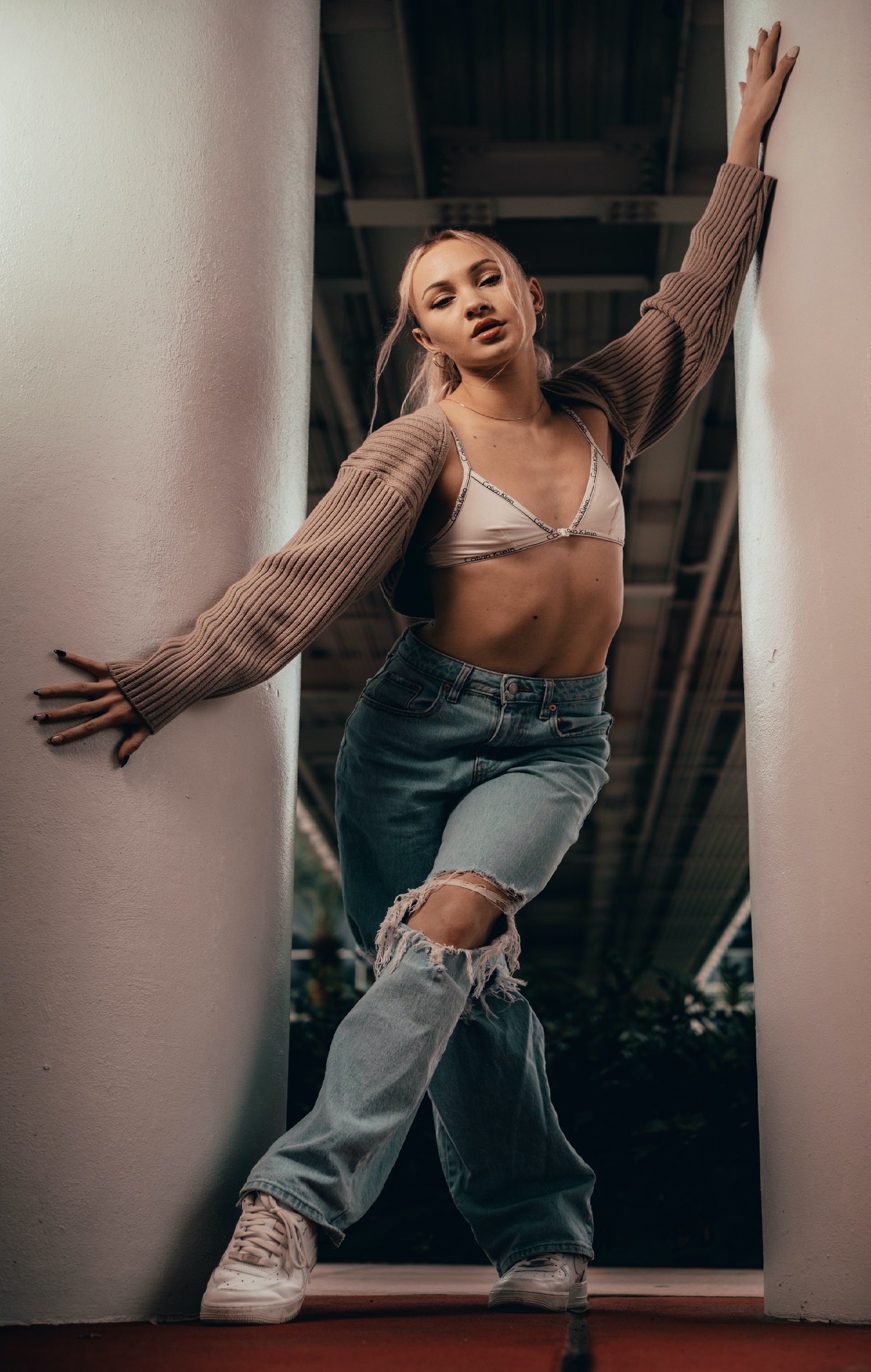
Introduction: Fashion and organic farming may seem like an unlikely pair, but they share a common goal - sustainability. As more people become conscious of the impact of their choices on the environment, the fashion industry is embracing organic farming practices to create fashionable, eco-friendly and ethical clothing. In this article, we will explore the connection between fashion and organic farming, and how these industries are finding innovative ways to promote sustainable style. 1. Organic Cotton: The Staple of Sustainable Fashion Organic cotton is the holy grail of sustainable fashion. Unlike conventional cotton farming, organic cotton is grown without the use of harmful pesticides, synthetic fertilizers, and genetically modified organisms. This promotes healthier soil, reduces water consumption, and protects the farmers' health. Not only is organic cotton better for the environment, but it also produces high-quality fibers that can be transformed into stylish garments. 2. Eco-Textiles and Natural Dyes: Nurturing Nature's Palette Organic farming also plays a significant role in the production of eco-friendly textiles and natural dyes. Fiber crops like hemp, linen, and bamboo have gained popularity due to their low environmental impact and versatility. These materials are breathable, hypoallergenic, and require minimal water and pesticide usage. Additionally, organic farming enables the cultivation of plants that yield natural dyes, such as indigo, turmeric, and madder root, creating a vibrant and chemical-free color palette for sustainable fashion designers. 3. Ethical Supply Chains: From Farm to Fashion The connection between fashion and organic farming goes beyond the initial cultivation of the materials. Ethical supply chains ensure that the farmers and workers involved in the production process are treated fairly and earn a living wage. Fashion brands committed to sustainability often form partnerships directly with organic farmers, creating a transparent and mutually beneficial relationship. This ensures that the people along the supply chain are valued and respected, ensuring a holistic approach to sustainable fashion. 4. Fashion Visibility and Awareness: Promoting Organic Farming Fashion has an incredible influence on society, and sustainable fashion designers are using their platforms to raise awareness about organic farming. Through collaborations and collections inspired by nature and sustainability, these designers are celebrating the beauty of natural fibers and promoting the importance of supporting organic agriculture. By making organic farming fashionable, they are encouraging consumers to make conscious choices and supporting the growth of this vital industry. 5. Consumer Empowerment: The Power of Sustainable Choices As consumers, we hold the power to drive change in the fashion industry. By choosing to support sustainable and organic farming practices, we can contribute to a more sustainable future. Opting for organic clothing not only helps reduce the harmful impact of conventional agriculture but also supports farmers who uphold ethical practices. By making informed and conscious choices, we can shape a fashion industry that values people, the planet, and style. Conclusion: Fashion and organic farming may seem like an unlikely pair, but they are paving the way for a more sustainable and ethical future. The collaboration between these industries demonstrates that style does not need to come at the expense of the environment or the people involved in the production process. By prioritizing organic farming and sustainable fashion, we can make a positive impact on the planet while looking stylish and feeling good about our choices. Together, we have the power to transform the fashion industry into one that embraces organic farming and promotes sustainable style with a purpose. also don't miss more information at http://www.xfarming.com
Leave a Comment:
SEARCH
Recent News
- Trend Alert: 5 Stylish Ways to Wear Wool Stoles for Women
- Winter Stoles: The Must-Have Accessory for Women's Winter Wardrobe
- Women's Clothing Trends Imported and Exported in Vancouver
- Vancouver is known for its thriving fashion scene, and one sector that shines bright in the city is women's clothing businesses. From trendy boutiques to upscale designer labels, Vancouver offers a wide range of options for fashion-forward women looking to update their wardrobe.
- Are you looking to overhaul your wardrobe with stylish and trendy women's clothing in Vancouver? Look no further! Vancouver is home to some amazing companies that specialize in women's fashion, offering a wide range of options for every style and budget. Whether you're in need of fashionable work attire, casual weekend wear, or a show-stopping outfit for a special event, these Vancouver-based companies have got you covered. Let's take a look at some of the best women's clothing companies in Vancouver that are guaranteed to elevate your style game:
- Women in the UK who are involved in the fashion industry often require support and guidance to navigate the complexities of running a successful business. Thankfully, the UK government offers various business support programs designed to assist women in the clothing sector and help them thrive in the competitive market.
- When it comes to exporting and importing women's clothes in the UK, there are several rules and regulations that businesses need to be aware of to ensure a smooth and successful process. These rules help to maintain quality standards, protect consumers, and facilitate fair trade practices. Understanding these guidelines is crucial for companies involved in the import and export of women's clothing in the UK.
- Fashion Highlights: Women's Clothing Trends from Tunisia
READ MORE
10 months ago Category :

Trend Alert: 5 Stylish Ways to Wear Wool Stoles for Women
Read More →10 months ago Category :

Winter Stoles: The Must-Have Accessory for Women's Winter Wardrobe
Read More →10 months ago Category :

Women's Clothing Trends Imported and Exported in Vancouver
Read More →10 months ago Category :
