"Empowering Women in Politics: Navigating Fashion Trends in the Era of Hyperinflation"
Category : | Sub Category : Posted on 2024-09-07 22:25:23
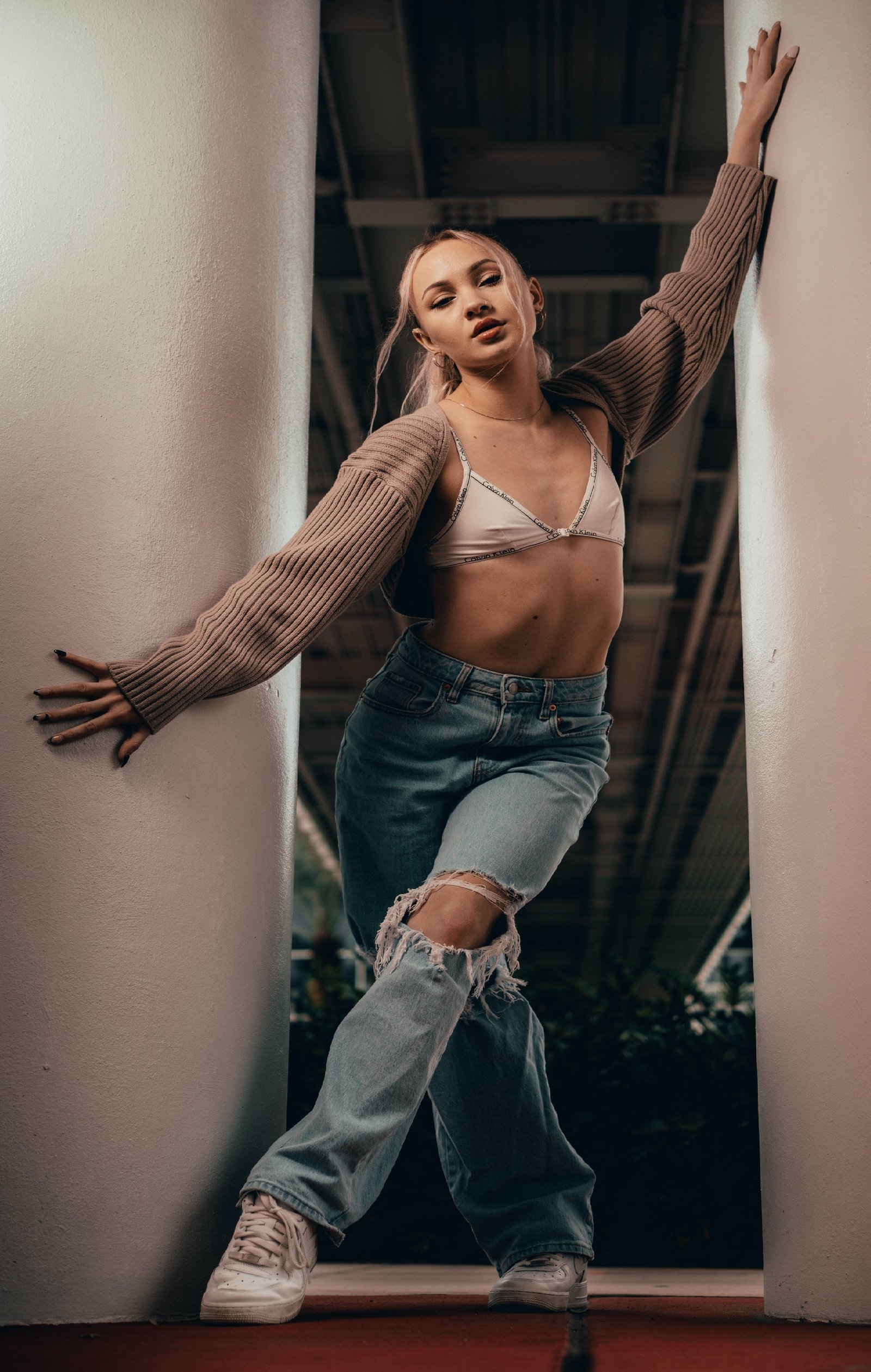
In recent years, the representation of women in politics has been steadily increasing, with more and more female leaders breaking through the glass ceiling to take on positions of power and influence. However, as these women navigate the complex world of politics, they are not only faced with the challenge of balancing political agendas and public opinions, but also the pressure of managing their public image, including their fashion choices. This challenge becomes even more pronounced in the era of hyperinflation, where economic instability impacts not only the policies they advocate for, but also their personal style. Fashion has always played a crucial role in politics, with politicians using their clothing choices to communicate their identities, values, and messages to the public. For women in politics, fashion can be a powerful tool for self-expression and empowerment, allowing them to make a statement and stand out in a male-dominated field. However, in the midst of hyperinflation, where the cost of living is skyrocketing and purchasing power is diminishing, women in politics face the additional challenge of managing their wardrobes on a constrained budget. Despite these challenges, many women in politics have found creative ways to navigate the world of fashion in the era of hyperinflation. Some have turned to sustainable and ethical fashion practices, choosing to recycle and upcycle their clothing, or opting for affordable, locally-made garments to support their communities. Others have partnered with designers and brands that align with their values and promote social and environmental causes, using their platform to raise awareness and advocate for change. One example of a woman in politics who has successfully navigated the world of fashion in the era of hyperinflation is New Zealand's Prime Minister Jacinda Ardern. Known for her simple and elegant style, Ardern has consciously curated her wardrobe to reflect her values of sustainability and authenticity. By prioritizing comfort and practicality over trends and luxury, Ardern has been able to maintain a strong and relatable public image, while also setting a positive example for women in politics around the world. In conclusion, as more women break into the world of politics, the intersection of fashion and politics becomes increasingly relevant, especially in the era of hyperinflation. By embracing sustainable and ethical fashion practices, supporting local designers, and using their platform to promote social causes, women in politics can navigate the challenges of managing their public image and personal style, while also making a positive impact on society. Empowered and informed, these women can continue to inspire change and lead by example in the political arena. Seeking more information? The following has you covered. https://www.enemigo.org
Leave a Comment:
SEARCH
Recent News
- Trend Alert: 5 Stylish Ways to Wear Wool Stoles for Women
- Winter Stoles: The Must-Have Accessory for Women's Winter Wardrobe
- Women's Clothing Trends Imported and Exported in Vancouver
- Vancouver is known for its thriving fashion scene, and one sector that shines bright in the city is women's clothing businesses. From trendy boutiques to upscale designer labels, Vancouver offers a wide range of options for fashion-forward women looking to update their wardrobe.
- Are you looking to overhaul your wardrobe with stylish and trendy women's clothing in Vancouver? Look no further! Vancouver is home to some amazing companies that specialize in women's fashion, offering a wide range of options for every style and budget. Whether you're in need of fashionable work attire, casual weekend wear, or a show-stopping outfit for a special event, these Vancouver-based companies have got you covered. Let's take a look at some of the best women's clothing companies in Vancouver that are guaranteed to elevate your style game:
- Women in the UK who are involved in the fashion industry often require support and guidance to navigate the complexities of running a successful business. Thankfully, the UK government offers various business support programs designed to assist women in the clothing sector and help them thrive in the competitive market.
- When it comes to exporting and importing women's clothes in the UK, there are several rules and regulations that businesses need to be aware of to ensure a smooth and successful process. These rules help to maintain quality standards, protect consumers, and facilitate fair trade practices. Understanding these guidelines is crucial for companies involved in the import and export of women's clothing in the UK.
- Fashion Highlights: Women's Clothing Trends from Tunisia
READ MORE
11 months ago Category :

Trend Alert: 5 Stylish Ways to Wear Wool Stoles for Women
Read More →11 months ago Category :

Winter Stoles: The Must-Have Accessory for Women's Winter Wardrobe
Read More →11 months ago Category :

Women's Clothing Trends Imported and Exported in Vancouver
Read More →11 months ago Category :
