"Empowering Women in Politics: Balancing Fashion and Economic Welfare"
Category : | Sub Category : Posted on 2024-09-07 22:25:23
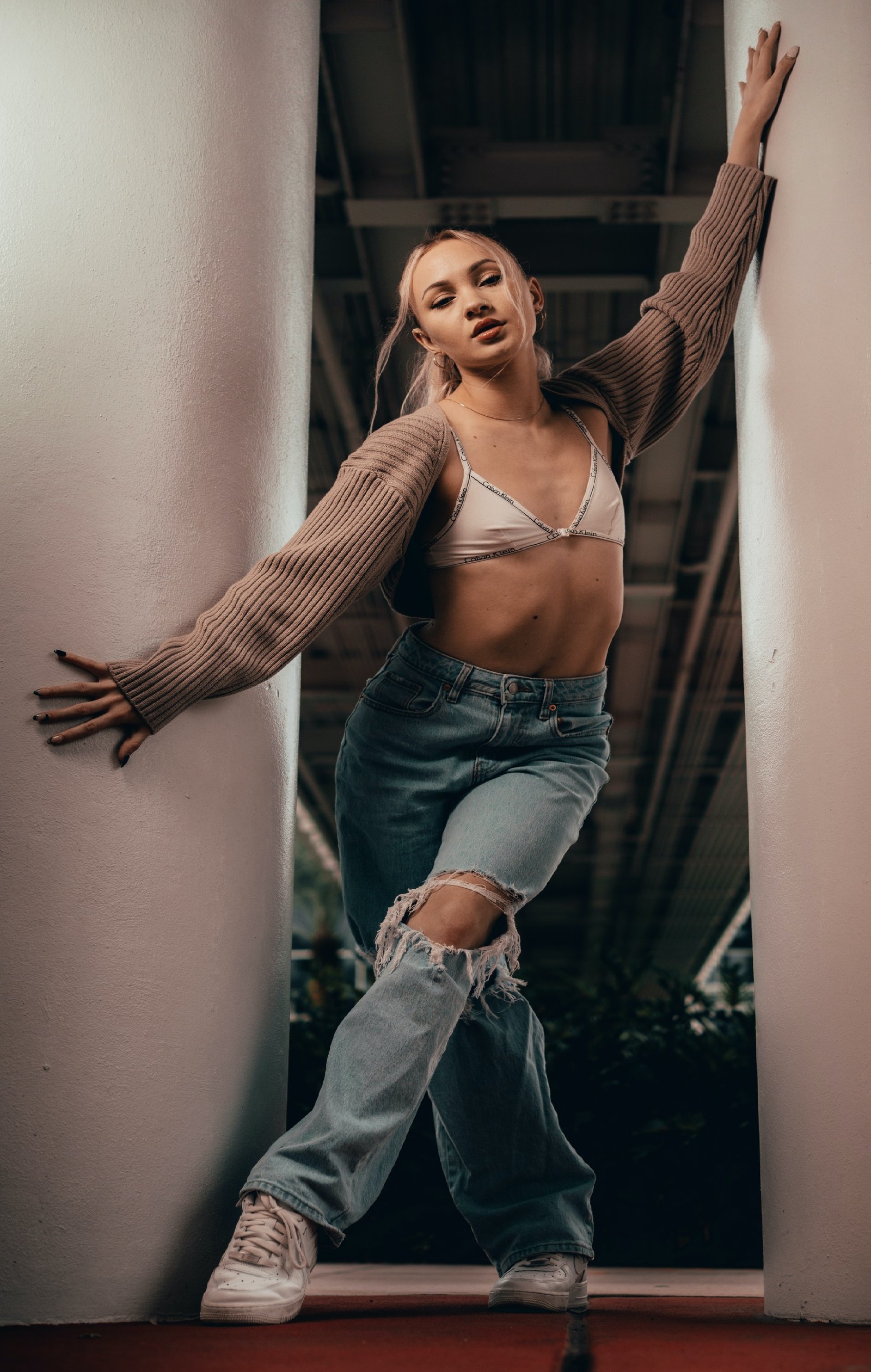
In recent years, there has been a notable rise in the number of women actively participating in politics around the world. From presidential candidates to members of parliament, women have been making their mark in the political sphere. However, this progress is often accompanied by scrutiny, not only of their policies and decisions but also of their appearance and fashion choices. The intersection of women in politics and fashion has long been a point of contention. Critics argue that focusing on a female politician's wardrobe distracts from the important issues at hand and reinforces gender stereotypes. On the other hand, supporters believe that fashion can be a powerful tool for self-expression and can help politicians connect with a wider audience. While discussions about fashion in politics are relevant, it is crucial to prioritize the economic welfare and well-being of women in political leadership roles. Economic welfare theory emphasizes the importance of creating policies that promote economic growth and development while ensuring the well-being of all members of society, including women. Empowering women in politics goes beyond what they wear; it involves creating an inclusive and supportive environment that allows them to thrive and make meaningful contributions. This can be achieved through policies that address gender inequality, provide equal opportunities for women in leadership positions, and support work-life balance initiatives. By focusing on economic welfare theory and empowering women in politics, we can create a more inclusive and equitable society where all individuals, regardless of gender, have the opportunity to participate in shaping the future. It is important to recognize the capabilities and perspectives that women bring to the table and to support their efforts to create positive change. In conclusion, as we continue to see more women taking on leadership roles in politics, it is essential to shift the focus from their fashion choices to their policies and contributions to economic welfare. By doing so, we can support women in politics and pave the way for a more equitable and prosperous future for all.
Leave a Comment:
SEARCH
Recent News
- Trend Alert: 5 Stylish Ways to Wear Wool Stoles for Women
- Winter Stoles: The Must-Have Accessory for Women's Winter Wardrobe
- Women's Clothing Trends Imported and Exported in Vancouver
- Vancouver is known for its thriving fashion scene, and one sector that shines bright in the city is women's clothing businesses. From trendy boutiques to upscale designer labels, Vancouver offers a wide range of options for fashion-forward women looking to update their wardrobe.
- Are you looking to overhaul your wardrobe with stylish and trendy women's clothing in Vancouver? Look no further! Vancouver is home to some amazing companies that specialize in women's fashion, offering a wide range of options for every style and budget. Whether you're in need of fashionable work attire, casual weekend wear, or a show-stopping outfit for a special event, these Vancouver-based companies have got you covered. Let's take a look at some of the best women's clothing companies in Vancouver that are guaranteed to elevate your style game:
- Women in the UK who are involved in the fashion industry often require support and guidance to navigate the complexities of running a successful business. Thankfully, the UK government offers various business support programs designed to assist women in the clothing sector and help them thrive in the competitive market.
- When it comes to exporting and importing women's clothes in the UK, there are several rules and regulations that businesses need to be aware of to ensure a smooth and successful process. These rules help to maintain quality standards, protect consumers, and facilitate fair trade practices. Understanding these guidelines is crucial for companies involved in the import and export of women's clothing in the UK.
- Fashion Highlights: Women's Clothing Trends from Tunisia
READ MORE
11 months ago Category :

Trend Alert: 5 Stylish Ways to Wear Wool Stoles for Women
Read More →11 months ago Category :

Winter Stoles: The Must-Have Accessory for Women's Winter Wardrobe
Read More →11 months ago Category :

Women's Clothing Trends Imported and Exported in Vancouver
Read More →11 months ago Category :
