The Intersection of Fashion and Access Control for Women in Politics
Category : | Sub Category : Posted on 2024-09-07 22:25:23
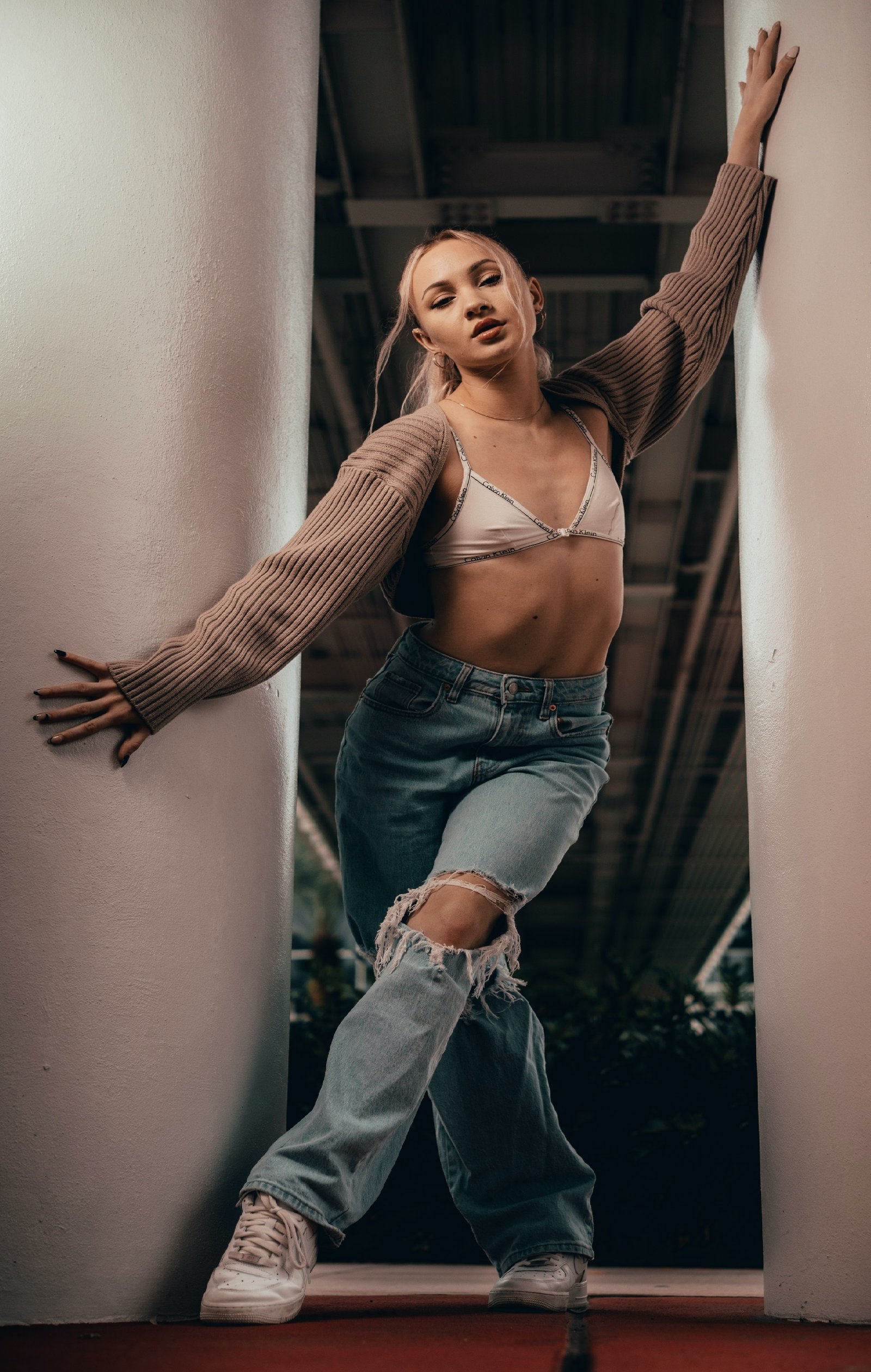
In recent years, there has been a noticeable shift in the way women in politics approach their fashion choices while also navigating issues of access control. The traditional expectation of how women should dress in politics is evolving, with many female politicians using fashion as a tool to communicate their message and values. At the same time, the concept of access control, or the ability to control who has access to certain spaces and information, plays a significant role in how women in politics operate. Fashion has long been a tool for self-expression and empowerment, and this is especially true for women in politics. By carefully selecting their attire, female politicians can convey authority, confidence, and professionalism. However, there is a delicate balance to strike between making a fashion statement and adhering to societal expectations. Women in politics often face scrutiny and criticism based on their appearance, and this can have real consequences for their careers. Access control is another critical aspect of women's experiences in politics. From ensuring physical security to managing information flow, access control measures are essential for protecting politicians and their work. Women in politics may face unique challenges when it comes to access control, as they navigate male-dominated spaces and work to establish their presence and authority. One way in which fashion and access control intersect for women in politics is through the concept of power dressing. Power dressing involves wearing clothing that conveys authority and confidence, signaling to others that the wearer is in control. By utilizing power dressing techniques, women in politics can project strength and competence, influencing how they are perceived by their colleagues, constituents, and the media. Moreover, access control plays a role in determining who has the power to dictate fashion norms in political settings. Historically, men have held positions of authority in politics, resulting in a certain dress code being established. As more women enter the political arena, they bring new perspectives and styles, challenging traditional norms and reshaping the fashion landscape in politics. In conclusion, the relationship between fashion and access control for women in politics is complex and multifaceted. By leveraging fashion as a form of self-expression and utilizing access control measures to navigate political spaces, female politicians can assert their presence and influence in the political arena. As societal perceptions evolve and women continue to break barriers in politics, the intersection of fashion and access control will undoubtedly play a pivotal role in shaping the landscape of women's political engagement.
Leave a Comment:
SEARCH
Recent News
- Trend Alert: 5 Stylish Ways to Wear Wool Stoles for Women
- Winter Stoles: The Must-Have Accessory for Women's Winter Wardrobe
- Women's Clothing Trends Imported and Exported in Vancouver
- Vancouver is known for its thriving fashion scene, and one sector that shines bright in the city is women's clothing businesses. From trendy boutiques to upscale designer labels, Vancouver offers a wide range of options for fashion-forward women looking to update their wardrobe.
- Are you looking to overhaul your wardrobe with stylish and trendy women's clothing in Vancouver? Look no further! Vancouver is home to some amazing companies that specialize in women's fashion, offering a wide range of options for every style and budget. Whether you're in need of fashionable work attire, casual weekend wear, or a show-stopping outfit for a special event, these Vancouver-based companies have got you covered. Let's take a look at some of the best women's clothing companies in Vancouver that are guaranteed to elevate your style game:
- Women in the UK who are involved in the fashion industry often require support and guidance to navigate the complexities of running a successful business. Thankfully, the UK government offers various business support programs designed to assist women in the clothing sector and help them thrive in the competitive market.
- When it comes to exporting and importing women's clothes in the UK, there are several rules and regulations that businesses need to be aware of to ensure a smooth and successful process. These rules help to maintain quality standards, protect consumers, and facilitate fair trade practices. Understanding these guidelines is crucial for companies involved in the import and export of women's clothing in the UK.
- Fashion Highlights: Women's Clothing Trends from Tunisia
READ MORE
11 months ago Category :

Trend Alert: 5 Stylish Ways to Wear Wool Stoles for Women
Read More →11 months ago Category :

Winter Stoles: The Must-Have Accessory for Women's Winter Wardrobe
Read More →11 months ago Category :

Women's Clothing Trends Imported and Exported in Vancouver
Read More →11 months ago Category :
