Women’s Fashion: The Supply Chain Behind Your Favorite Clothes
Category : | Sub Category : Posted on 2024-09-07 22:25:23
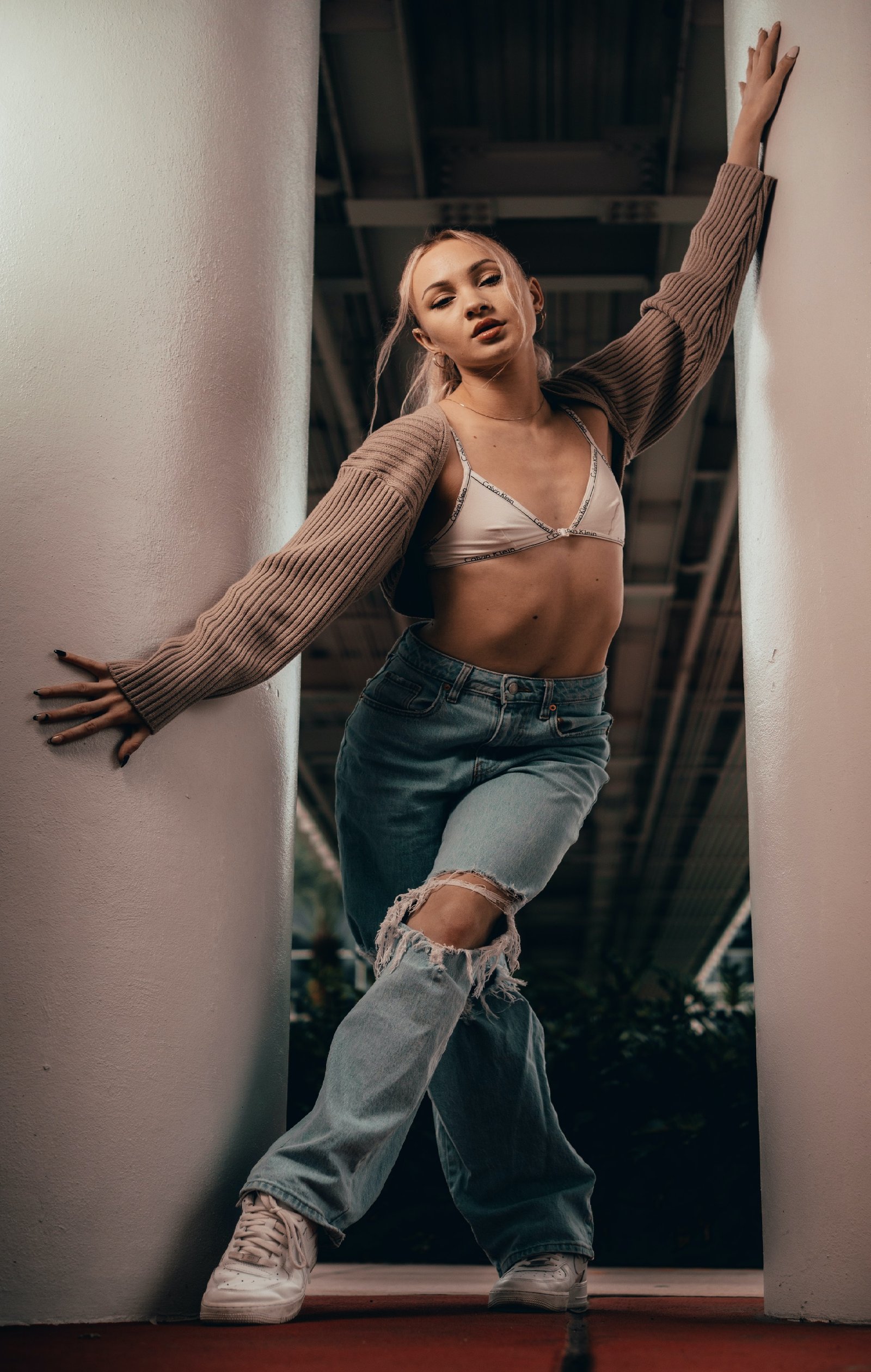
When you step into a store or browse online for the latest women’s clothing trends, what usually catches your eye are the designs, colors, and styles available. But have you ever paused to think about the intricate supply chain that brings these fashion pieces from concept to your closet? Let’s take a closer look at the supply chain behind women’s clothes and how it shapes the fashion landscape. 1. Design and Development: The fashion supply chain journey begins with the initial design and development phase. Fashion designers and creative teams work tirelessly to come up with new and innovative designs that resonate with consumers. From sketching concepts to creating mood boards, this stage sets the foundation for the entire production process. 2. Material Sourcing: Once the designs are finalized, the next step involves sourcing the materials needed to bring these creations to life. Fabrics, trims, and embellishments are sourced from suppliers across the globe, each specialized in different types of materials. Sustainability and ethical sourcing practices have become increasingly important in recent years, leading many fashion brands to prioritize eco-friendly materials and ethical sourcing partners. 3. Manufacturing and Production: After the materials are sourced, the manufacturing and production phase kicks off. This involves transforming the design concepts into physical garments through cutting, sewing, and finishing processes. Garment factories, typically located in countries with lower labor costs, play a significant role in producing the vast majority of clothing items we see in stores today. 4. Distribution and Logistics: Once the garments are produced, they need to be distributed to various retail locations or directly to consumers. This involves a complex network of logistics and supply chain management to ensure that products reach their intended destinations in a timely and cost-effective manner. With the rise of e-commerce, many fashion brands have also invested in efficient fulfillment centers and shipping solutions to meet the demands of online shoppers. 5. Retail and Consumer Experience: Finally, the fashion supply chain culminates in the retail and consumer experience. Whether you’re shopping in a physical store or browsing online, the way in which products are displayed, marketed, and sold plays a crucial role in influencing consumer behavior. Trends such as personalization, sustainability, and inclusivity are driving forces shaping the modern retail landscape and consumer preferences. In conclusion, the fashion supply chain is a complex and interconnected web of processes that bring women’s clothing from concept to reality. Understanding the various stages involved in this supply chain can provide valuable insights into the dynamics of the fashion industry and the impact of consumer choices on production practices. Next time you slip into your favorite dress or put on a stylish top, take a moment to appreciate the journey that piece of clothing has taken to reach you.
Leave a Comment:
SEARCH
Recent News
- Trend Alert: 5 Stylish Ways to Wear Wool Stoles for Women
- Winter Stoles: The Must-Have Accessory for Women's Winter Wardrobe
- Women's Clothing Trends Imported and Exported in Vancouver
- Vancouver is known for its thriving fashion scene, and one sector that shines bright in the city is women's clothing businesses. From trendy boutiques to upscale designer labels, Vancouver offers a wide range of options for fashion-forward women looking to update their wardrobe.
- Are you looking to overhaul your wardrobe with stylish and trendy women's clothing in Vancouver? Look no further! Vancouver is home to some amazing companies that specialize in women's fashion, offering a wide range of options for every style and budget. Whether you're in need of fashionable work attire, casual weekend wear, or a show-stopping outfit for a special event, these Vancouver-based companies have got you covered. Let's take a look at some of the best women's clothing companies in Vancouver that are guaranteed to elevate your style game:
- Women in the UK who are involved in the fashion industry often require support and guidance to navigate the complexities of running a successful business. Thankfully, the UK government offers various business support programs designed to assist women in the clothing sector and help them thrive in the competitive market.
- When it comes to exporting and importing women's clothes in the UK, there are several rules and regulations that businesses need to be aware of to ensure a smooth and successful process. These rules help to maintain quality standards, protect consumers, and facilitate fair trade practices. Understanding these guidelines is crucial for companies involved in the import and export of women's clothing in the UK.
- Fashion Highlights: Women's Clothing Trends from Tunisia
READ MORE
6 months ago Category :

Trend Alert: 5 Stylish Ways to Wear Wool Stoles for Women
Read More →6 months ago Category :

Winter Stoles: The Must-Have Accessory for Women's Winter Wardrobe
Read More →6 months ago Category :

Women's Clothing Trends Imported and Exported in Vancouver
Read More →6 months ago Category :
