The Evolution of Women's Fashion: Navigating Conflicts in History
Category : | Sub Category : Posted on 2024-09-07 22:25:23
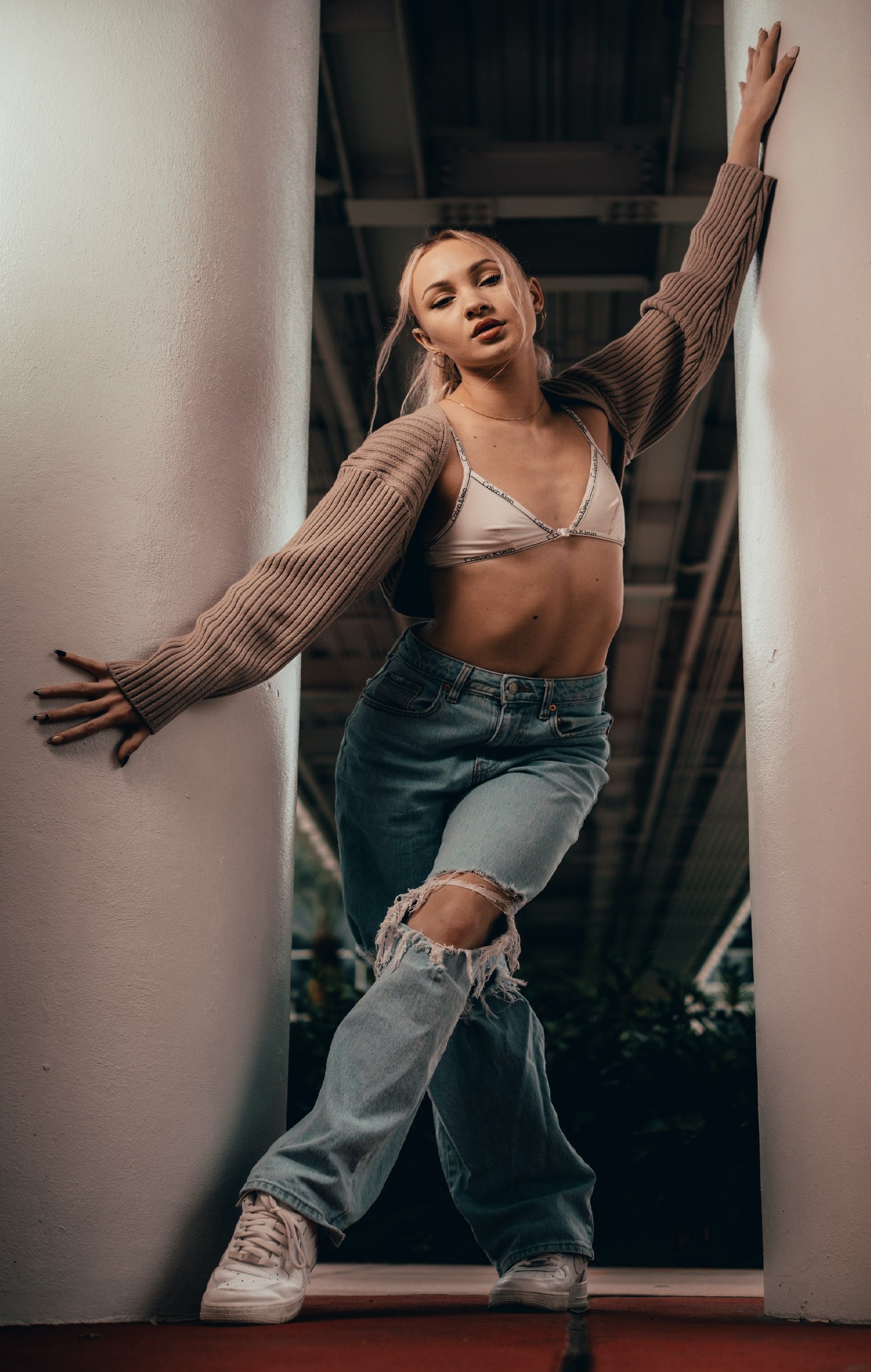
When we think about women's clothing and fashion, we often associate it with style, trends, and self-expression. However, throughout history, women's fashion has been deeply intertwined with societal conflicts, power dynamics, and cultural changes. From the restrictive corsets of the Victorian era to the empowering pantsuits of the feminist movement, women's clothing has both reflected and influenced the struggles and triumphs of women throughout the centuries. One of the most notable conflicts in the history of women's fashion is the shift from corsets to loose-fitting garments in the late 19th and early 20th centuries. Corsets were not only uncomfortable and restrictive but also symbolized the confining expectations placed on women during that time. The emergence of the suffragette movement brought about a major shift in women's fashion, with activists rejecting the constricting garments in favor of more practical and comfortable clothing that allowed them to move freely and engage in public activism. Another significant conflict in women's fashion can be seen during the 1920s and 1930s, when the flapper style challenged traditional notions of femininity. The short skirts, loose silhouettes, and bobbed haircuts of the flapper era represented women's desire for independence, freedom, and equality. However, this bold and rebellious fashion statement was met with criticism and condemnation from conservative society, highlighting the clash between traditional values and modern ideals. In more recent history, women's fashion has continued to be a platform for challenging societal norms and promoting gender equality. The rise of power dressing in the 1980s, epitomized by sharp-shouldered blazers and tailored suits, symbolized women's increasing presence in the workforce and their demand for equality in the corporate world. This fashion trend not only empowered women to command authority in traditionally male-dominated spaces but also sparked conversations about gender roles and expectations. Today, women's fashion remains a powerful tool for self-expression, activism, and social change. The body positivity movement has spurred a demand for more inclusive sizing and representation in the fashion industry, challenging beauty standards and promoting acceptance of diverse body types. Sustainable fashion initiatives have also gained traction, with many women advocating for ethical and environmentally conscious clothing choices to combat the harmful effects of fast fashion on both people and the planet. As we look back on the evolution of women's fashion and the conflicts it has sparked throughout history, it becomes clear that clothing is so much more than just fabric and thread. It is a reflection of society's values, a battleground for gender equality, and a tool for empowerment and self-expression. By understanding the complexities of fashion's role in history, we can appreciate the resilience and creativity of women who have used clothing as a means of asserting their identity and agency in a world that often seeks to limit them. Click the following link for more https://www.llevar.org
Leave a Comment:
SEARCH
Recent News
- Trend Alert: 5 Stylish Ways to Wear Wool Stoles for Women
- Winter Stoles: The Must-Have Accessory for Women's Winter Wardrobe
- Women's Clothing Trends Imported and Exported in Vancouver
- Vancouver is known for its thriving fashion scene, and one sector that shines bright in the city is women's clothing businesses. From trendy boutiques to upscale designer labels, Vancouver offers a wide range of options for fashion-forward women looking to update their wardrobe.
- Are you looking to overhaul your wardrobe with stylish and trendy women's clothing in Vancouver? Look no further! Vancouver is home to some amazing companies that specialize in women's fashion, offering a wide range of options for every style and budget. Whether you're in need of fashionable work attire, casual weekend wear, or a show-stopping outfit for a special event, these Vancouver-based companies have got you covered. Let's take a look at some of the best women's clothing companies in Vancouver that are guaranteed to elevate your style game:
- Women in the UK who are involved in the fashion industry often require support and guidance to navigate the complexities of running a successful business. Thankfully, the UK government offers various business support programs designed to assist women in the clothing sector and help them thrive in the competitive market.
- When it comes to exporting and importing women's clothes in the UK, there are several rules and regulations that businesses need to be aware of to ensure a smooth and successful process. These rules help to maintain quality standards, protect consumers, and facilitate fair trade practices. Understanding these guidelines is crucial for companies involved in the import and export of women's clothing in the UK.
- Fashion Highlights: Women's Clothing Trends from Tunisia
READ MORE
6 months ago Category :

Trend Alert: 5 Stylish Ways to Wear Wool Stoles for Women
Read More →6 months ago Category :

Winter Stoles: The Must-Have Accessory for Women's Winter Wardrobe
Read More →6 months ago Category :

Women's Clothing Trends Imported and Exported in Vancouver
Read More →6 months ago Category :
